
Rutting and Deformation
A properly engineered concrete overlay may help address pavement deformation where the existing road structure and foundation are suitable for the proposed treatment.
Explore white topping concrete as a pavement rehabilitation solution for roads affected by surface deterioration, rutting and recurring maintenance requirements. Discuss your road infrastructure project with HRHK Infrastructure.
White topping is a road rehabilitation technique in which a designed layer of Portland cement concrete is placed over an existing bituminous pavement. Depending on the existing road condition and engineering design, it can help restore pavement performance or improve its structural capacity.
Unlike routine resurfacing, white topping requires an engineering assessment of the existing pavement, traffic loading, overlay thickness, bonding requirements, joints, drainage and construction conditions.
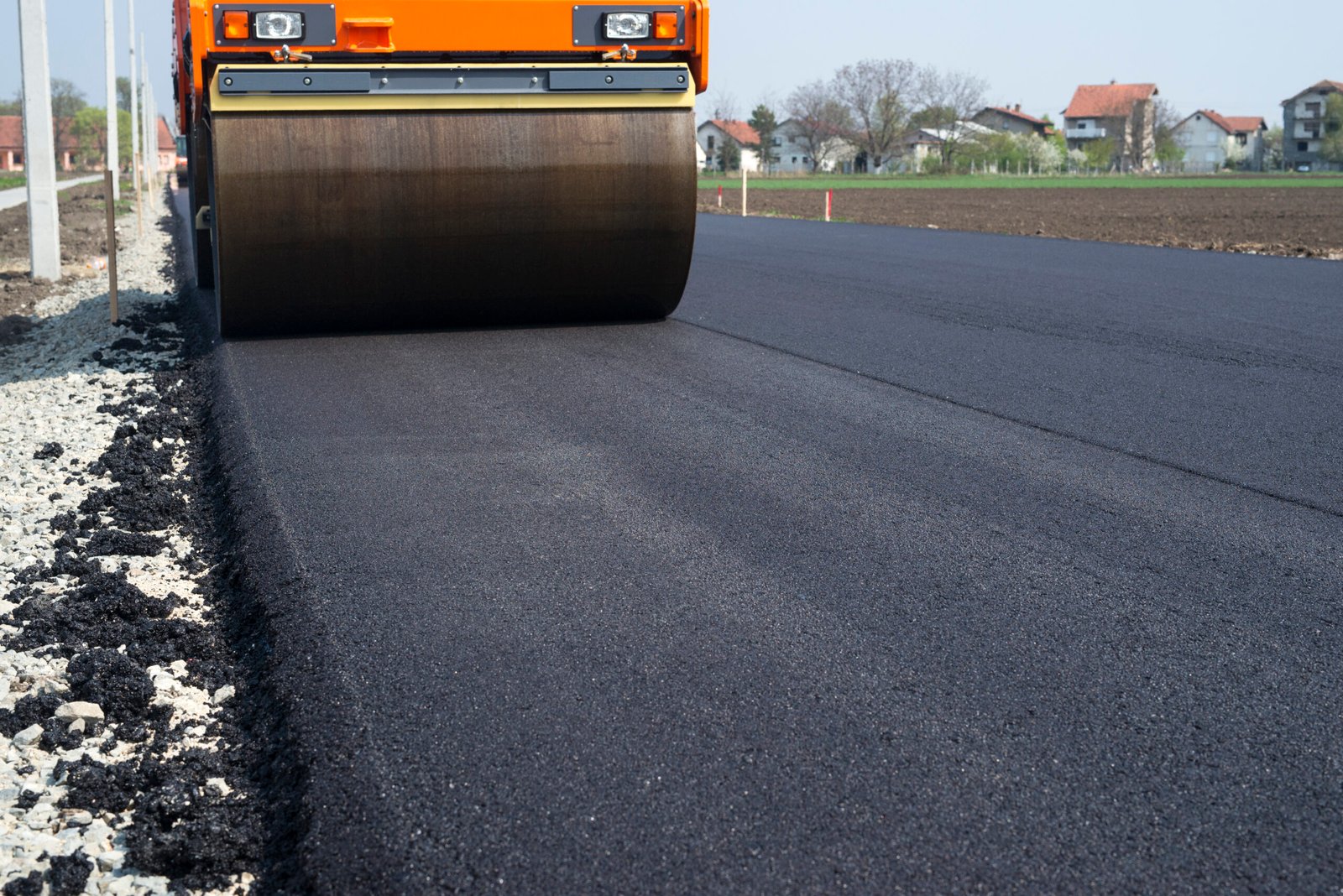
Damaged roads can develop surface deformation and cracking under repeated traffic loading, water exposure and changing environmental conditions. The right repair method depends on the cause and extent of the damage.
A properly engineered concrete overlay may help address pavement deformation where the existing road structure and foundation are suitable for the proposed treatment.
For selected roads with repeated surface deterioration, white topping can be evaluated as an alternative to repeated bituminous resurfacing.
An appropriately designed overlay can improve the load carrying capacity of an existing pavement when supported by adequate structural assessment.
When correctly designed and constructed, white topping may offer long-term pavement performance advantages for suitable road rehabilitation projects.
A designed concrete overlay can strengthen selected existing pavements and help them accommodate their intended traffic loads.
A suitable pavement design may reduce the frequency of certain recurring surface repairs compared with less suitable rehabilitation approaches.
Appropriate finishing and texturing can provide a functional riding surface with the required skid resistance and drainage characteristics.
A properly scheduled construction programme helps coordinate traffic diversions, equipment, concrete placement, curing and reopening.
Concrete's lighter surface colour can improve light reflectance in suitable conditions. Actual road safety depends on lighting, texture, markings and design.
Concrete pavement materials can potentially be crushed and reused at end of life, subject to material quality and applicable recycling practices.
Note: Performance, service life, cost savings and construction duration depend on project-specific design, traffic, climate, existing pavement condition and workmanship.

White topping may be evaluated for selected existing bituminous roads where the pavement structure, traffic conditions and rehabilitation objectives make a concrete overlay an appropriate engineering option.
The exact methodology must follow the approved pavement design, project specifications and the requirements of the responsible engineer.
Assess pavement distress, existing layers, traffic loading, drainage and other site conditions before selecting a treatment.
Prepare the existing pavement as required by the selected overlay design, including any specified milling and repairs.
Establish the required levels, overlay thickness, joint layout and construction sequence.
Place the specified concrete mix using suitable equipment and controlled delivery, spreading and compaction procedures.
Finish and texture the concrete surface to meet the specified riding quality, drainage and skid-resistance requirements.
Complete curing, joint cutting and sealing where specified, and conduct required quality checks before opening the road.
Road rehabilitation begins with understanding the existing pavement and the conditions it must withstand. An engineering assessment helps determine whether white topping is appropriate.
A successful pavement solution depends on the existing road, design assumptions, concrete specifications and site execution. Work should be undertaken against approved technical documents.
HRHK Infrastructure can receive your project enquiry and discuss the requirements and appropriate next steps.
Contact HRHK →HRHK Infrastructure welcomes enquiries relating to road rehabilitation and concrete infrastructure projects in Derabassi, Panchkula, Ambala and Mohali. Specific service capability and project availability should be confirmed.
Discuss road rehabilitation, industrial access roads and pavement improvement requirements for projects in Derabassi.
Enquire about concrete pavement solutions for selected urban, commercial and infrastructure projects in Panchkula.
Share the road condition, project scope and location for an initial discussion about pavement rehabilitation needs.
Discuss road strengthening, commercial access roads and concrete pavement requirements for projects in Mohali.
Planning road rehabilitation or evaluating white topping for an existing pavement? Contact HRHK Infrastructure to discuss the project location, current road condition and proposed scope.
Call to discuss your project requirements and confirm the relevant services, feasibility and next steps.
Send your project location, road condition, estimated area and preliminary technical requirements.
Learn more about HRHK Infrastructure and its construction and infrastructure services.
Please confirm current service availability, technical scope and commercial terms directly with HRHK Infrastructure.
Learn the basics of concrete overlays, their applications and the considerations involved in road rehabilitation.
White topping is a road rehabilitation method that uses a Portland cement concrete overlay over an existing bituminous pavement. Its design depends on the road condition, expected traffic, overlay thickness and other engineering requirements.
For suitable projects, white topping can improve pavement structural performance, provide a durable riding surface and potentially reduce recurring maintenance. Actual performance depends on design, materials, construction and site conditions.
No. Engineers must assess the existing pavement, foundation, drainage, traffic loading and damage. Some roads require foundation repairs, reconstruction or a different treatment before an overlay can be considered.
Typical stages include pavement assessment, surface preparation, setting out, concrete placement, finishing, texturing, joint cutting where required, curing and quality testing. The approved project specification determines the exact procedure.
Construction time depends on road length, pavement condition, design, equipment, weather, concrete requirements and traffic management. The road must not be reopened until the specified strength and acceptance requirements are satisfied.
It may be suitable for selected industrial roads subject to an engineering assessment of heavy vehicle loads, turning movements, pavement support, drainage and the required design.
Yes, you can contact HRHK Infrastructure with your project details for an initial discussion. Confirm the company's current service capability, technical scope and availability for your particular location.
Discuss your white topping concrete and pavement improvement requirements for Derabassi, Panchkula, Ambala or Mohali.